
Notes:
- Gl. = x̄enáksialak̓ala (Gitlope) word, Gm. = x̄á’islak̓ala (Gitmaat) word
- RR = Rose Robinson, DR = Dora Robinson, VW = Vera Wislon, JL = Jeffrey Legaik, MD = Magnus Duncan, AMH: Ab Morrison-Hayward
- sg = singular, pl = plural
- Spellings account for changing of sounds at the end of words or syllables. Ex: lízexʷ as opposed to lízekʷ (pronounced sound vs linguistic spelling)
- Everything is spelled according to the x̄á’isla hybrid orthography
- These are official standard spellings; if sharing, please copy and paste words exactly as they are with the Times New Roman font and no capitalization so that consistency can be maintained
- If a word has a small black triangle in front of it, press it to get a dropdown section with more information, click again to collapse it
’á’ent: herring eggs
RR/DR:
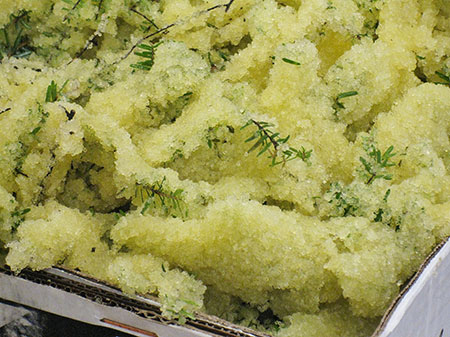
Herring eggs are harvested in early spring and are collected either from kelp or hemlock branches. There are some northwest coast indigenous nations that use eel grass, which is saḡʷáns w̓ap in x̄á’islak̓ala.
RELATED WORDS
’á’ent̓a: to go after herring eggs
AMH:
’ént’enta: to eat herring eggs
AMH:
’ént̓ala: sound of eating herring eggs
AMH:
’álexʷ: chief’s spokesperson
VW:
’anáɫzax̄ʷ: thanks; ’anáɫzax̄ʷnugʷuƛa: I thank you
VW:
’as: soapberry
VW:
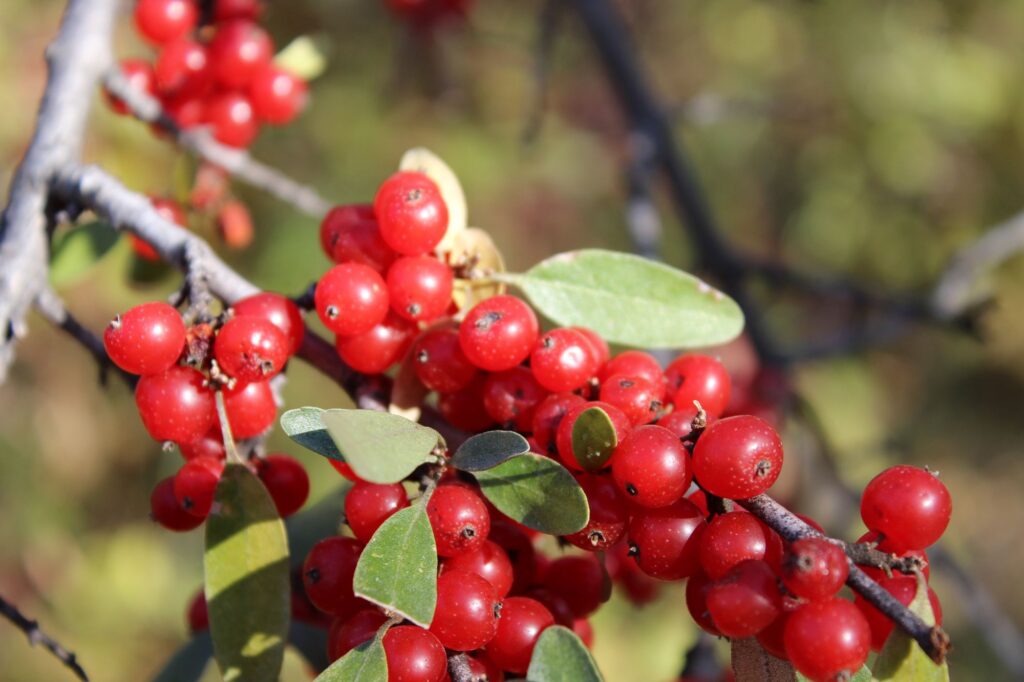
Sometimes called Canada buffaloberry, soopolallie, or foamberry. Soapberries are whipped up into a treat sometimes referred to as “Indian” Ice Cream. This word is believed to originate from the word “luwus” in the Dakelh (Carrier) language or from ’as (pronounced as /ʔεs/) in Sm’algyax. Scientific name: Shepherdia canadensis.
RELATED WORDS
’ac̓ás: soapberry bush
AMH:
’ása: to pick soapberries
AMH:
’ás’asa: to eat soapberries
AMH:
’ás’asayu: soapberry spoon
AMH:
Note: The word for soapberry bush can be spelled/pronounced as above (which seems to be the most common) or ’ác̓as
’au: or
Examples:
- yeqsú ’au núgʷa: you or I
- ’nna ’au k̓uu: yes or no
- ’ix ’au y̓ax: good or bad
’aup: father
Singular: ’aup
RR/DR:
Plural: ’í’aup
RR/DR:
’áuqʷsuli: hellebore
VW:
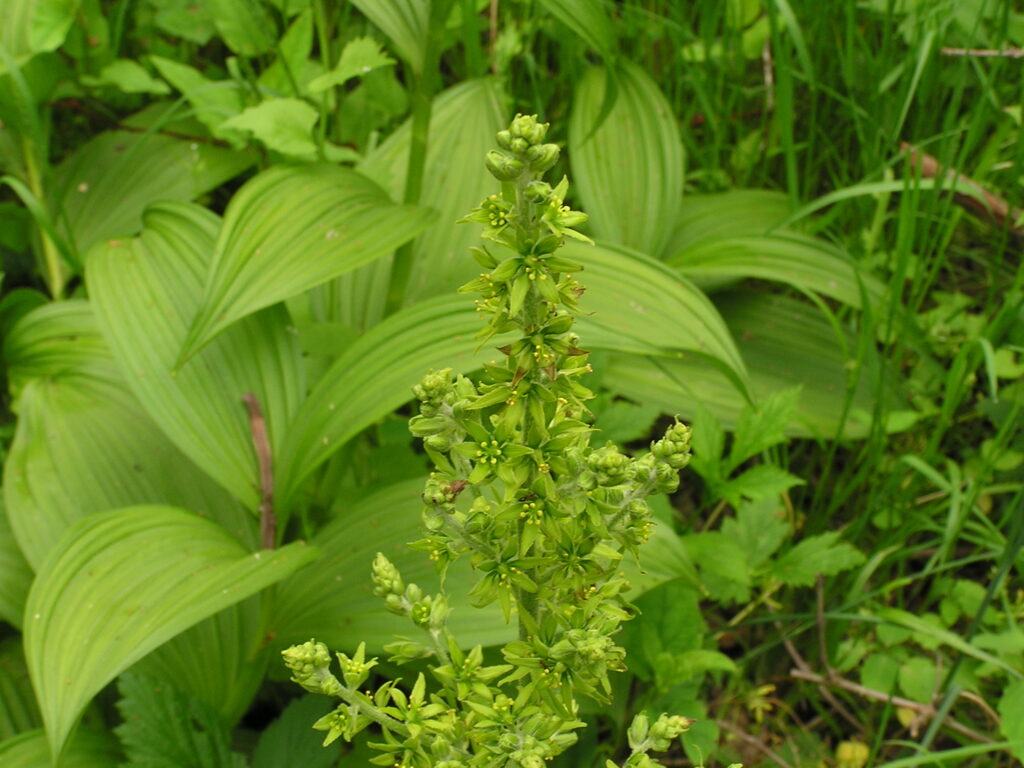
Also known as “Indian” hellebore or false hellebore. Scientific name: Veratrum viride.
’ebuxʷ: mother
Singular: ’ebúxʷ
RR/DR:
Plural: ’ibúxʷ
RR/DR:
’emágac̓i: toilet
VW:
’emáka: to defecate
AMH:
’emazegʷedalái (Gm.): bat (animal)
RR:
Alternatively spelled ʼamazugʷedalái. The 3rd and 4th syllables can vary in pronunciation from /d͡zə/ to /d͡zu/, and from /gʊ/ to /gu/, respectively. Pronunciation depends on the speaker’s preference.
Note: this is the Gm. (or x̄á’isla) variation, the Gl. (or x̄enáksiala) variation is seen below.
’ém’azu (Gl.): bat
’emdém: sea urchin (small, green)
RR/DR:
Note: this is the smaller green species, the bigger red/purple species is c̓ek̓ʷíc̓.
’émɫa: to play
AMH:
’enaná: yikes! ouch! drat! (exclamation of distress)
AMH:
’enís: aunt
Singular: ’enís
AMH:
Plural: ’i’enís
VW:
’esebá: on the opposite side; namesake
VW:
’íksduqʷia: eagle (“white head” or “bright head”)
Singular: ’íksduqʷia
AMH:
Plural: ’í’iksduqʷia (’í’eksduqʷia)
VW:
Note: Lincoln & Rath spelling (converted to hybrid orthography) is ’íksduqʷuya (sg), and ’í’eksduqʷuya (pl)
’íksduqʷi’inix̄ʷ: Eagle clan
Singular: ’íksduqʷi’inix̄ʷ
VW:
Plural: ’í’iksduqʷi’inix̄ʷ (’í’eksduqʷi’inix̄ʷ)
VW:
’isλám: today, now, new
RR/DR:
’uíq̓as: devils club
RR/DR:
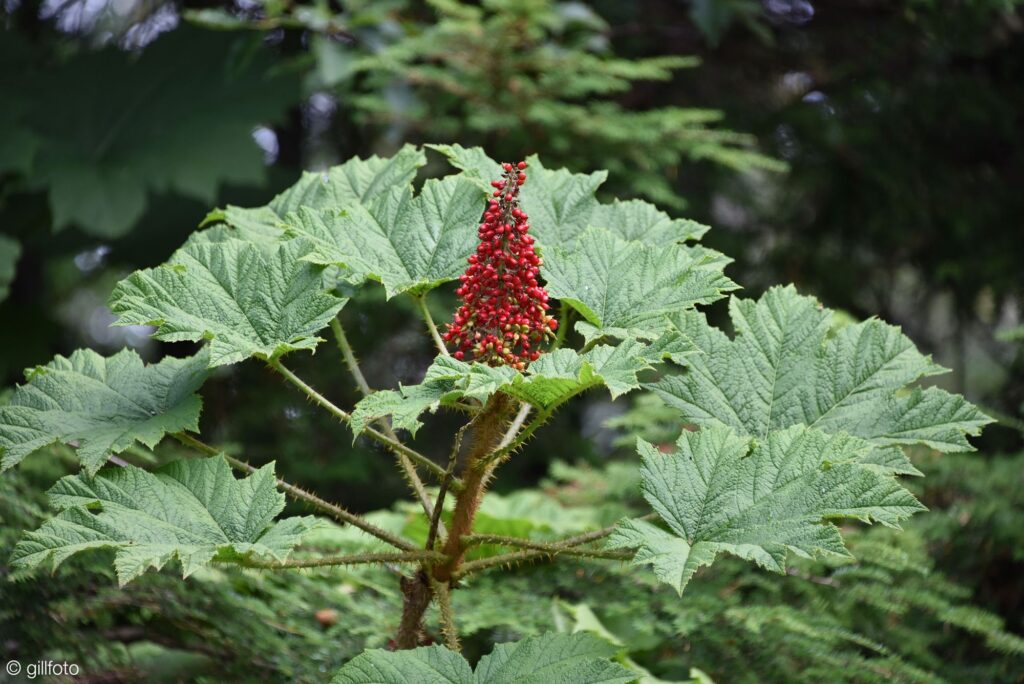
Alternatively spelled and pronounced ’ewíq̓as. Also known as Devil’s Walking Stick. This plant appears in a story called «núyems qi líp̓inix̄ʷax̄i» (The Story of the Gambler), told by Gordon Robertson. Scientific name: Oplopanax horridus.
RELATED WORDS
’uíqa: to get devils club
’uiqetuái: devils club berries (a kind of bear’s berries)
’uíq̓azeɫ: stung by devils club
’uíx̄’uiqa: to eat devils club
babá’u: grandfather
VW:
baxʷbaxʷás ’ezíq̓: ghost umbrella (mushroom)
JL:
Note: baxʷbaxʷá is an umbrella and ’ezíq̓ can mean “ghost” but it can also mean “worm”. It’s likely that this name refers to small worms or larvae that gather underneath the mushroom when it rains. It’s unclear what specific species of mushroom the name refers to, it’s only known that it has gills and is inedible.
begʷánem: person
Singular: begʷánem
RR/DR:
Plural: bíbegʷanem
RR/DR:
bibí’u: uncle (petname)
RR/DR:
Note: this is a hypocoristic term, or petname. This is what you call your uncle when you’re speaking to him. When you’re talking about him, you use the nominative term, which is x̄ʷeɫáp.
bek̓ʷés: wildman of the woods
RR/DR:
celaqʷéns (celaqʷúns?): “Chilakoons” totem pole
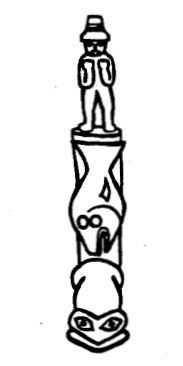
There’s a story in Gordon Robinson’s book “Tales of Kitamaat” that tells the story of the celaqʷéns totem pole. The name comes from the Haida name Jila Kuns, which means “Volcano Woman”.
AMH:
Note: The celaqʷéns spelling comes from the “x̄á’isla to English” draft dictionary created by Emmon Bach in 1998 (page 27). The /e/ (or schwa) in the last syllable takes on an “oo” sound due to the epenthetic nature of the schwa where it can change sound depending on the letters surrounding it. It’s possible that it’s actually part of a syllabic consonant where it is attached to the /n/ that comes after it (Lincoln and Rath used /n̩/ to represent /en/). The transition from the /qʷ/ to the /n/ is facilitated by the schwa (which also cancels out the /ʷ/). It appears as though the schwa takes on an “oo” sound because it’s being influenced by the consonants on both sides of it. It’s possible that the schwa can be replaced with a /u/ to better illustrate the “oo” sound, though this would change the word structure.
cíx̄ʷa: wild crabapple, sour
Singular: cíx̄ʷa
RR/DR:
Plural: cícex̄ʷa
VW:
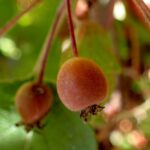
Also known as Pacific crabapple or Oregon crabapple. Scientific name: Malus fusca.
RELATED WORDS
cíx̄ʷp̓a: sour taste
VW:
cíx̄ʷp̓ala: sour smell
VW:
cíx̄ʷcex̄ʷa: to eat wild crabapples
cíx̄ʷeƛela: to go after wild crabapples
cíw̓as: wild crabapple tree
Singular: cíw̓as
RR/DR:
Plural: cícu’as
VW:
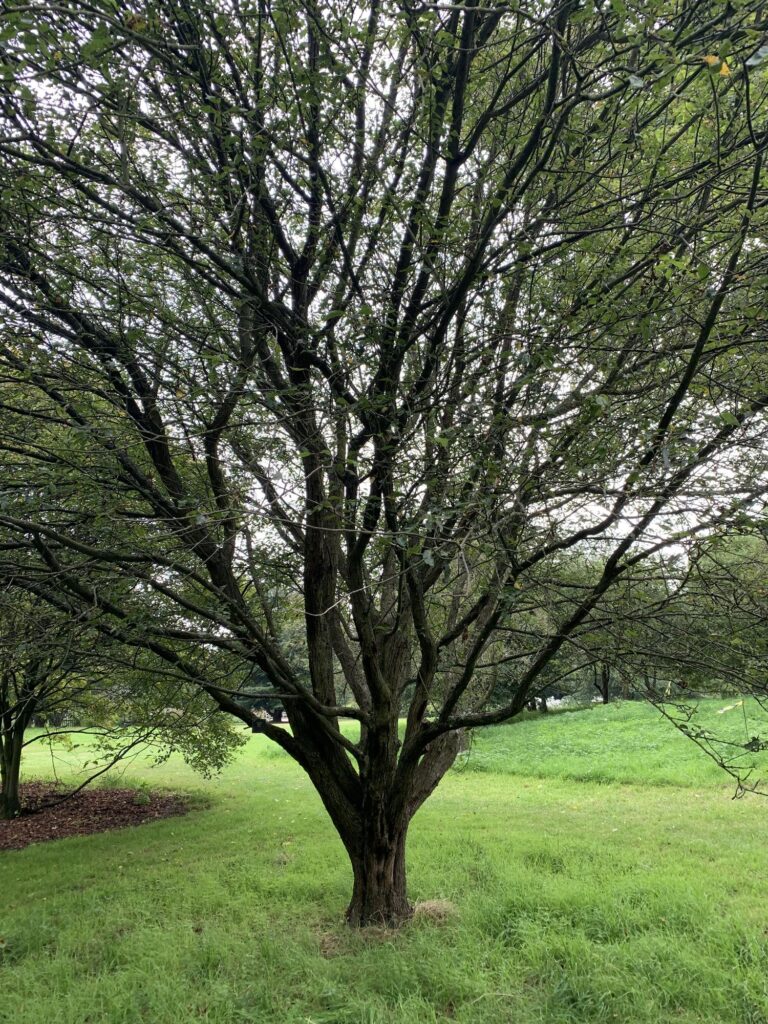
The wood from a crabapple tree is strong and was made into the handle for a x̄uc̓ (slegehammer). It was also used to make heads for the hammers used to drive oolichan net anchor poles into place when the wood of the záw̓as (cottonwood with small leaves that move like oolichans) was unavailable.
RELATED WORDS
cícu’ac̓es: wild crabapple tree grove
ciwiyás: place where wild crabapples grow (SYN: cíx̄ʷasu)
cíw̓ias: place where wild crabapples grow
cíx̄ʷasu: place with wild crabapples (SYN: ciwiyás)
c̓aaq: mountain goat
JL:
c̓esí: x̄á’isla head chief (Jasee), “split like feet of crow”
VW:
c̓ek̓ʷíc̓: sea urchin (big, red)
VW:
Note: this is the bigger red/purple species, the smaller green species is ’emdém.
c̓imáuc̓a: “Snag Beach”, Kitamaat Village site
VW:
c̓uxʷλema: grandchild
Singular: c̓úxʷλema
RR/DR:
Plural: c̓úc̓exʷλema (c̓úc̓uxʷλema)
VW:
c̓úxʷλemax’id: great-grandchild
Singular: c̓úxʷλemax’id
AMH:
Plural: c̓úc̓exʷλemax’id (c̓úc̓uxʷλemax’id)
VW:
daum: oolichan skewer
RR/DR:
dawái/dewái: goat
VW:
denás: red cedar bark strips
VW:
dény̓as: red cedar tree
VW:
du: and, also, along with
Examples:
- yeqsú du núgʷa: you and I
- ’ix du y̓ax: good and bad
duént: name
Singular: duént
VW:
Plural: diduént
AMH:
dúqʷela: to see, to look
Singular: dúqʷela
RR/DR:
Plural: dúdeqʷela
RR/DR:
dútiɫ: message, news
Singular: dútiɫ
AMH:
Plural: dúdetiɫ
VW:
dúxʷa: stinging nettle
RR/DR:
RELATED WORDS
dúxʷaɫdana: affected by stinging nettle
VW:
λawásila: purifying ritual (Gl.)
AMH:
Note: This is the Gm. (or x̄á’isla) word, the Gl. (or x̄enáksiala) word is n̓áqʷelagila. Either word can be used
λáwiɫ: to stand up indoors
VW:
Note: This only describes the action of standing up inside, the command form is λáwiɫc: you stop (see below)
AMH:
λáw̓es: tree, standing up outside (person)
λax̄ʷλax̄ʷélsela: totem pole
λeksáam: buttercup root
λú’el: niece, nephew, cousin
λu’elá: (to do) again
gáda: here (near me)
gáx̄iɫ: to come inside
gáx̄iɫc: you come inside
gecáuqʷ: Beaver clan
gélw̓a: canoe
guedén: horse (from Chinook Jargon)
gu’aƛáp̓: help each other
gúkʷelut: fellow villagers
guxʷ: house
gʷasáu: pig (from Chinook Jargon)
ḡaax̄: raven
ḡánuɫ: evening, night
ḡáq̓inix̄ʷ: Raven clan
ḡáḡap: grandparent
ḡa’eḡáp: grandparents
ḡáḡap̓id, ḡaḡáp̓id: great-grandparent
ḡaʼeḡáp̓id: great-grandparents
ḡeném: woman, wife
ḡeps ḡáulex̄: man or chief of mountain goat fat, name of totem pole
ḡes, ’áqas: you come here/arrive here
ḡída: over there (away)
ḡísdem: cow parsnip
ḡuláli: salmonberries
ḡúl̓as: salmonberry bush
ḡúda: there (near you)
ḡúm̓a: paddle (a), propeller
ḡʷadém: huckleberry
ḡʷat̓ás: huckleberry bush
ḡʷiḡʷisdalás: the way things are turning out
ḡʷíx̄em: bread
hec̓íxʷ: wolf (Gl.)
hélx̄’inix̄ʷ: killer whale (clan)
hémsa: to eat, food
hémzezu: table
henḡáx̄: Canada goose
hénƛ̓ikʷilaxʷ: “The Archer”, “Hunclee-qualas”, founder of Kitamaat
híɫaqa: cousin
hím̓as: hereditary chief
him̓ás/hi’emás: hereditary chiefs
hiligá: soul, spirit
hinála: to hear a ghost
kʷán̓alas: yellow cedar tree
kʷíkʷenax̄: frog, toad
k̓ak̓en̓á: hummingbird, “tries to get hair” (Gm.)
k̓éci: don’t… (k̓éci yálekʷa: don’t get hurt, k̓éci ƛelísda: don’t forget, etc)
k̓ek̓úk̓ʷ: skunk cabbage
k̓ibát: elderberries
k̓ip̓ás: elderberry bush
k̓ʷá’iɫ: to sit down indoors
k̓ʷá’iɫc: you sit down indoors
k̓ʷas1: to sit down outside
k̓ʷas2: mussels
k̓ʷáxdema: chair
k̓ʷax̄λáu: split red cedar, stick
legáix̄: Jeffrey Legaik (name is described as meaning “overland traveller” in Tales of Kitamaat. It is also described by others as meaning “go back”.)
láx̄akas: “clear water”, Hirsch Creek
lúq̓ʷas: hemlock tree
léx̄exʷ: boulder mountain, Mt. Elizabeth
lísa: to eat fish soup
lísagila: to make fish soup
lízexʷ: fish soup
l̓eqax̄ʼá: thimbleberry
l̓eqax̄ʼác̓as: thimbleberry bush
ɫáuk̓ʷimas: strong person
ɫauxʷ: strong
ɫáw̓anem: husband
ɫek̓ʷáni: old lady
ɫáq̓esg: seaweed
mamá’u: grandmother
máyaɫa: friend
mayás: cat
meḡʷáuncg: to explain
mesmús: cow (from Chinook Jargon)
miá: salmon, fish
miáinix̄ʷ: Salmon/Fish clan
músmeziɫ: chief ladies
múziɫ: chief lady
m̓enáisut: sibling of same gender
m̓esk̓úsa: village in the Kitlope where the ḡeps ḡáulex̄ pole came from
m̓úm̓uḡʷezu: halibut
nax: Goodness! Oh, for goodness sake!
náulaxʷ: spirit, magic power, magic whistle
náusda: sign of paying attention to story
nek̓ʷel̓ás: salalberry bush
nek̓ʷeɫ: salalberriess
neḡec̓ái/neḡec̓í: fox
nuáqela: old man
nuláḡemi: porcupine
núgʷa: I, me, mine
núsa: to tell a story
núyem: story, narrative
n̓áqʷa: morning
n̓áqʷelagila: purifying ritual (Gl.)
pelx̄’á: flower, blossom, abalone
pelx̄’ás: bush with blossoms
pú’es: hungry
puy̓ás, pl. pupuy̓ás: Labrador tea, “Hudson Bay Tea” (puy̓ás can also refer to swamp laurel)
p̓ála: to work
p̓úlexʷ: backbone of fish roasted on an open fire for winter use
qáɫela: to walk
qáutela: to hear, to understand
qulún: beaver
q̓ágec̓uels: day, daylight, daytime
q̓ʷaɫém: salmonberry shoots, thimbleberry shoots
q̓ʷémksiwa: white person
q̓ʷémksiwak̓ala: English language
saax: grizzly bear
ságʷem: seal
saḡʷán: grass
saḡʷáns w̓ap: eel grass
sásem: children
semgác̓i: oolichan boiling tank
semgás: oolichan boiling place, old village on southern end of Kitimat River
sémka: to extract oolichan grease
táqaɫ: oolichan net made of stinging nettle
t̓aláus: smoked fish, dried fish
t̓ibám: fern roots
t̓ip̓ás: fern plant
t̓ísem: stone, rock, bullet
t̓isemisdá: turn into stone
t̓íxʷa: black bear
t̓úliqela: to be drunk
ƛáka: paddle (to)
ƛelísda: forget
ƛ̓ásiagʷemix: wolf (Gm.)
ƛ̓áti: oolichan grease
wa: okay, well, the end
wáam̓is: founder of Kitamaat before he became hénƛ̓ikʷilaxʷ
wásem: heart
wán̓i: herring
waw̓áis: mountain, trapline
weníksiqa: cheers!
wezíx: moose
wísenis: let’s… (wísenis hémsa: let’s eat, wísenis ’émɫa: let’s play, etc)
w̓ac̓: dog
w̓ap: water
w̓aq̓ʷá: sibling of opposite gender
w̓íget: “Weegit”
xúkʷem: wild rice grains
xuk̓ʷás: wild rice plant
xuláis: salmon eggs
xʷémqa: kiss
x̄ábexʷ: child
x̄á’isla: downstream dwellers
x̄á’islak̓ala: x̄á’isla language
x̄á’islidex̄ʷ: x̄á’isla people
x̄enáksiala: Kitlope/Kemano people
x̄enáksialak̓ala: Kitlope/Kemano language
x̄esduáxʷ: place of the milky blue waters, Kitlope valley
x̄íx̄ix̄i: snow goose
x̄ʷeɫáp: uncle
x̄ʷenúxʷ: child
ya’uc̓: hello
yáux̄ʷa: feast, to invite to a feast
yex̄ʷá: to dance
zan: seal harpoon
záxʷen: oolichan
zam̓inás: squirrel
zenáwi: hummingbird (Gl.)
zígens: chicken
zuásenqs: “Jawasunks”, “Zewasenx”, sister of w̓íget
Leave a Reply